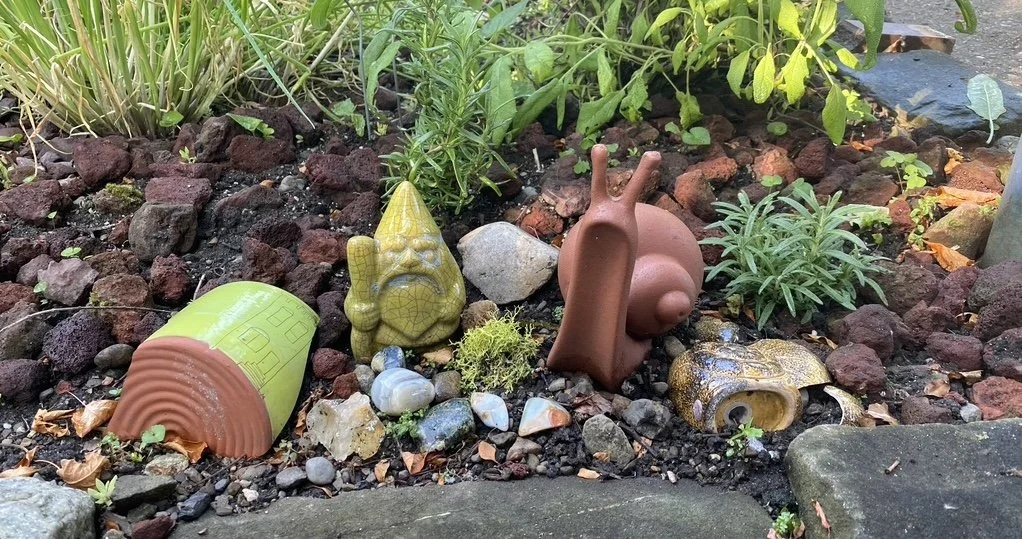
Slow Attention
The world feels fast.
You want to slow down.
You want to breathe and feel and release and remember.
You want this for children, too. For them to play without interruption, linger in wondering, and connect with their inner wisdoms.
Our desire for slowness
signals a need for spaciousness—
space without distraction, fragmentation, and bombardment of external influence,
space to connect within, root deeply, and listen with an open heart and mind,
space to nourish our wondrous, creative, loving fields of attention.
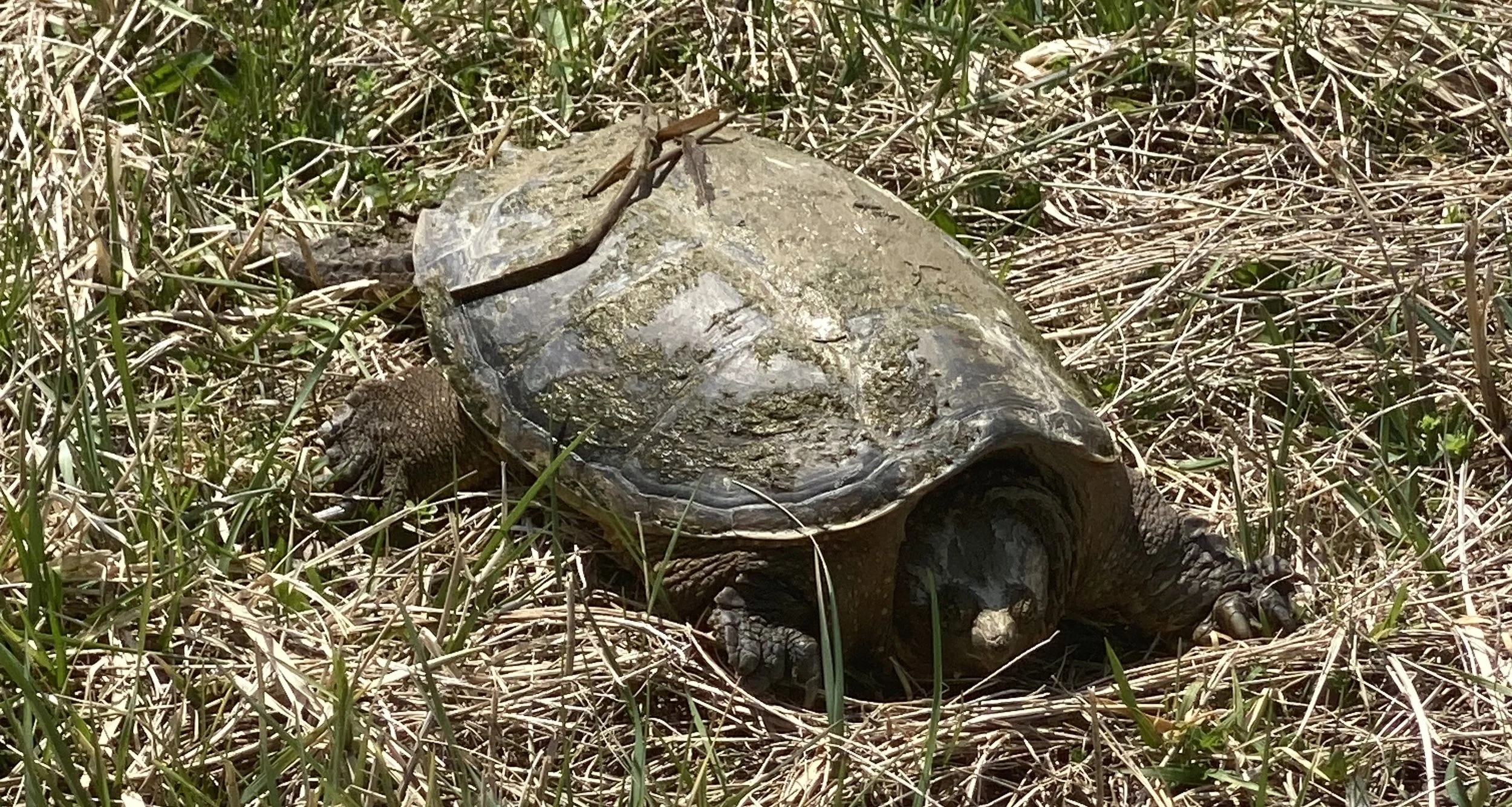
Attention is our currency.
In a landscape saturated with AI, algorithmic engagement, cryptic influences, and endless pop-ups trying to tug, train, and captivate our attention, it takes grounded, aligned intention to protect and nurture our attention and the attention of our children.
Attention requires practice.
Practice in everyday ordinary moments.
Practice that feels like a gift as you practice.
Practice to return you to yourself and what you know.
Practice you share with others through your presence.
Practice of connection with the small, slow spirals of everything.
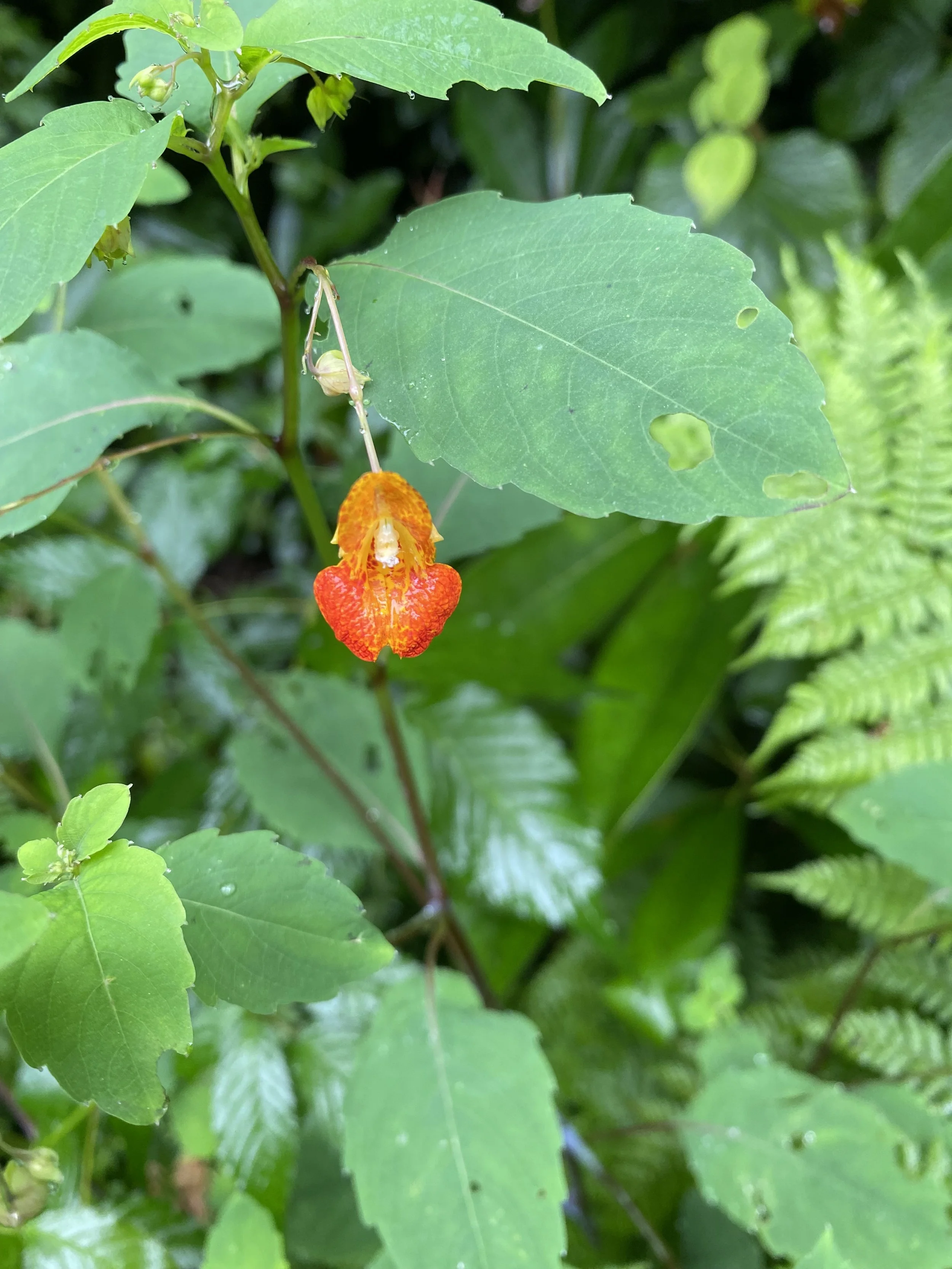
Oh, the beautiful, generous, liberating practice of attention.
Do you long to deepen your practice of slow attention?
Would you love to nurture slow attention with the children, educators, families, leaders, and communities you serve?
I teach, guide, and design slow attention experiences:
for adults
for adults who teach children
for children with an adult
Ways I work:
Guided Experiences | Workshops | Speaking | Consultation | 1:1 support
I work with you to customize an experience that’s meaningful, nourishing, and impactful for you and your context.
We can work together online or on-site.
Let’s discuss how we might work together.
We begin with a call to get to know each other and explore possibilities.
Phone or zoom. 40ish minutes. Free.
Example experiences:
Practice for adults who teach children:
For educators, parents, caregivers, healers, facilitators, developers, and leaders. Practice explicitly geared for your application with children to support their development of slow attention.
Small is enough
Explore ways to incorporate small materials and small invitations that open space for children to experience fullness of wonder, play, imagination, daydream, and intrinsic motivations for learning.
Less is more
Slowness requires the less of things. What are ways we can say less, scaffold less, offer fewer choices, and limit materials in ways that invite children into the more of themselves?
Deeper engagement
You may already use simple, ordinary materials and know how to create conditions for open-ended play. How do we support children to go deeper with their explorations, sustain attention when things feel “hard” or “boring,” and stay attuned to their inner knowing while playing alongside others?
Spaciousness design
Opportunities for children to go slow, play without interruption, and connect with their inner worlds don’t expand from more time. They expand from intentional shifts in how we invite materials, questions, limits, groupings, silence, and other small nuances of practice.
Analog play
We live in a digital and analog world. Digital and AI-driven products/experiences have the potential to distance children from themselves and loop them into external, corporate driven motivation models. It’s also possible for children to engage in analog play alongside such experiences—explore functions beneath the glossy forms, find new kinds of questions, and follow their intrinsic motivations for learning and expression.
Noticing mixed messages
We may say we want slowness for children, but we often sabotage our efforts through the assumptions, vocabulary, habits, and routines we’ve embraced for so long we can’t see them. Exploration to: expand awareness about what we communicate (in words and actions), notice hidden understandings and beliefs, and create small, transformative shifts in our practice with children. (Especially powerful for school/organization teams.)
Leading for slow and spacious learning
Explore ways to design professional development for educators to engage their own ways of attention as they also attune to how they nourish children’s attention.
Developing with deep care for children
For those who are in the process of creating a new kind of product, program, service, or experience for children and want to bring generous care and loving attention to how children may experience the offering and the ways it may nourish (or impede) their development of slow attention.
Practice for adults:
For those who feel called to nourish their ways of attention; for teams within an organization or community who want to take a closer look at their investments of attention. Practice designed to deepen connection and reflection within yourself (before thinking about application with others; “put your oxygen mask on first”).
Foundations of attention
Spacious and easeful invitation to slow down and notice what we do with our attention, how this feels, what we wonder and wish and worry about, and how we might bring more intention to our attention.
Deepening presence
What does it mean to be present in a moment? How can we do this amidst the busy and too muchness of the world? Layered, playful practice to explore slowness as a space and frame small moments as opportunities to deepen presence of interaction, relationship, and wholeness.
Protecting attention
How do we create simple, everyday practices to stay grounded and protected from external tugs of distraction? Exploration of boundaries, containers, ways to work with intention and frequency, the roles of community, lineage, ritual, and reverence.
Honoring not-knowing
What is our relationship to wonder and curiosity? Where do we let questions linger and where do we reach to our phones for answers? A rigorous and playful exploration of how we experience uncertainty, control, internal/external knowing, judgment, boredom, silence, busy, empty, and more. How might we allow ourselves to listen in the spaciousness of not-knowing?
Slow listening
Heart-opening practice for groups who want to listen beyond divisions and the terrain of ideas. How might we listen to each other with slow, spacious tenderness, curiosity, and love?
Experiences for children and adults:
For children ages 3-10 with an adult or for multi-age groups. Adults are encouraged to participate alongside children, connecting with the child within themselves.
Although I work both online or on-site for adult programming, for experiences with children, I prefer to work face-to-face, standing on the same soil (locally or with travel).
From Nature Walks to Button Play to Writing Workshops to Move Your Feelings to Altar-making to Storytelling, I trust children and trust that we as adults must learn from children.
I prioritize small, ordinary, and natural materials alongside simple frames for exploration. I design for both collaborative and parallel engagement with opportunities for multi-modal expressions and generous space for silence, daydream, listening, and multidimensional connection.